


kategória
szerző
cím
sorozat
betöltés...
kiadó
betöltés...
ISBN
évszám
ár
-
leírás
Előrendelhető
A mezők bármelyike illeszkedjen
A mezők mind illeszkedjen


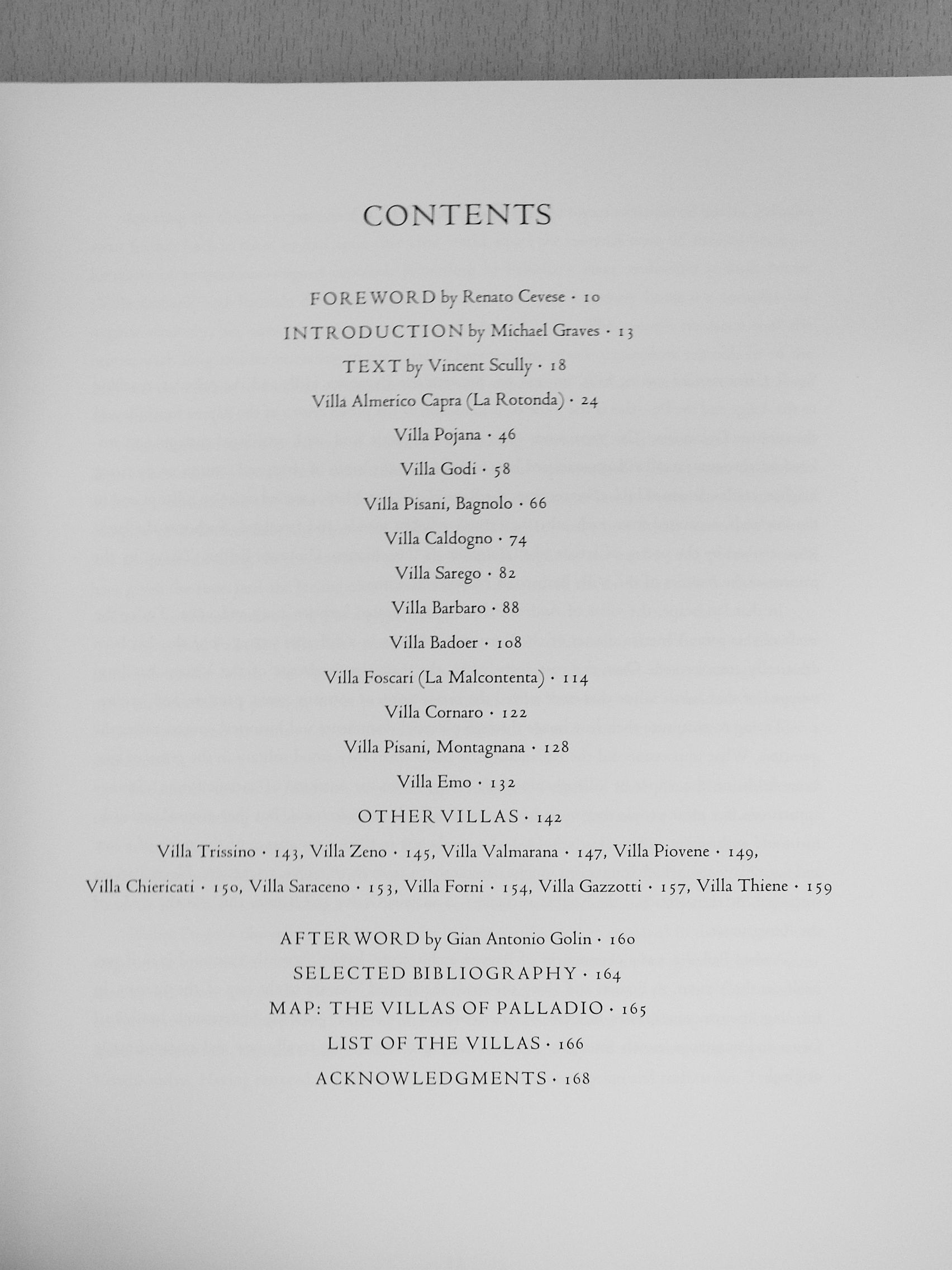

FOREWORD
Smull plains nestled among hills, on and on, between the Euganean Hills and the Adriatic, reaching to the Adige and the Po—this is the Veneto. It lies south of the proud crown of the Alpine foothills and the sublime Dolomites. The Veneto was once a soft and gentle land, with occasional cottages and isolated watchtowers; small villages scattered here .and there on the banks of rivers and streams or on rising heights; c.astles disarmed by La Serenissima, the Republic of San M.irco; walled cities on hilltops and in the lowlands,...
online ár:
Webáruházunkban a termékek mellett feltüntetett fekete színű online ár csak internetes megrendelés esetén érvényes.
12000 Ft

Részletesen erről a termékről
Bővebb ismertető
FOREWORD
Smull plains nestled among hills, on and on, between the Euganean Hills and the Adriatic, reaching to the Adige and the Po—this is the Veneto. It lies south of the proud crown of the Alpine foothills and the sublime Dolomites. The Veneto was once a soft and gentle land, with occasional cottages and isolated watchtowers; small villages scattered here .and there on the banks of rivers and streams or on rising heights; c.astles disarmed by La Serenissima, the Republic of San M.irco; walled cities on hilltops and in the lowlands, separated from each other by extensive fields, woods, and farmland. Such was the landscape evoked by the poetry of artists like Giorgione da Castelfranco, Giovanni Bellini, Titian, by the painter of the frescoes of the Villa Barb.aro in Maser, and others.
In that landscape, the villas of Andrea Palladio were created between i 540 and i 580. Today the work of this great Venetian master of the Renaissance is seen in a different setting—one that has been drastically transformed. Over the past forty years, the evocative landscape of the Veneto has been stripped of that subtle allure that once stirred the imagination of so many poets, painters, and writers.
Trying :o recapture their lost image through pictorial documents and historical sources raises the question. What impression did the Palladian villas make when they stood solitary in the green of spacious fields, on the slopes or hilltops, alongside rivers, or on the outskirts of ancient towns ? Strange apparitions, for most people they must have seemed difficult to understand. But they aroused astonishment and enthusiasm in humanist scholars, who surely saw in them a resurgence of the spirit of a lost and exemplary age, which humanism sought constantly to recover, to revive, to reassert. Never had art surpassed, or even attained, the heights it reached in ancient Greece and Rome: this was the credo of the Renaissance.
Andrea Palladio was a connoisseur of Roman architecture, having fervently examined it in Rome itself, in the Veneto, in France, and along the roads that joined Vicenza to the city of the Caesars. In forming his own conceptions he drew on classicism, as it was then generally understood. Individual forms and numerous motifs thus gave life and meaning to something totally new and extraordinarily original.
Termékadatok
Cím: The Villas of Palladio [antikvár]
Szerző:
Vincent Scully
Kiadó: Little
Kötés: Varrott papírkötés
ISBN: 0821218980
Méret: 270 mm x 300 mm
Új vásárló vagyok!
új vásárlóval indíthatsz rendelést............