


kategória
szerző
cím
sorozat
betöltés...
kiadó
betöltés...
ISBN
évszám
ár
-
leírás
Előrendelhető
A mezők bármelyike illeszkedjen
A mezők mind illeszkedjen


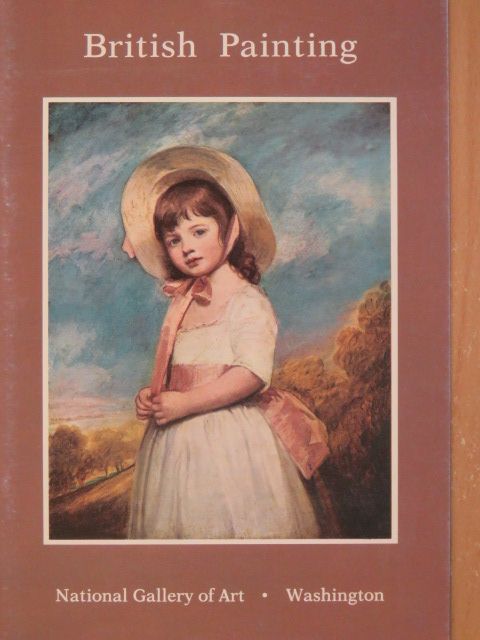
British Painting in the National Gallery of Art [antikvár]
Hereward Lester Cooke

British painting reached its zenith in the eighteenth and early nineteenth centuries. Beginning with Hogarth, a school of painting arose that could be identified as characteristically British. The one hundred years between 1750 and 1850 witnessed the development of the three art forms, portraiture, landscape, and genre, that became the hallmarks of British painting. The eighteenth century alsó saw a major change in the training and status of English artists. With the founding of the Royal Academy in 1768, artists were assured a yearly...
online ár:
Webáruházunkban a termékek mellett feltüntetett fekete színű online ár csak internetes megrendelés esetén érvényes.
1880 Ft

Részletesen erről a termékről
Bővebb ismertető
British painting reached its zenith in the eighteenth and early nineteenth centuries. Beginning with Hogarth, a school of painting arose that could be identified as characteristically British. The one hundred years between 1750 and 1850 witnessed the development of the three art forms, portraiture, landscape, and genre, that became the hallmarks of British painting. The eighteenth century alsó saw a major change in the training and status of English artists. With the founding of the Royal Academy in 1768, artists were assured a yearly exhibition of their work. The academy alsó provided an official school for the training of British artists. Up to this time, painting in Britain had been largely the work of foreign painters invited to England by the court. Among the first of these had been Hans Holbein the Younger, who was brought over from Germany to trace meticulously outlined portraits of the courtiers, ministers, prelates, and wives who surrounded the king. A century later the Stuart kings, with their urbane tastes and cosmopolitan education, chose a very different foreign painter, Anthony van Dyck, Rubens' most gifted protégé, whose style was the quintessence of baroque flourish and poise. English courtiers were delighted to see their native roughness distilled by van Dyck's subtle flattery into the perfect archetype of aristocracy, handsome, elegant, and aloof. Van Dyck may be considered the father of English portrait painting, since he formulated the abstract ideals of fashionable English portraitists.
Termékadatok
Cím: British Painting in the National Gallery of Art [antikvár]
Szerző:
Hereward Lester Cooke
Kiadó: National Gallery of Art
Kötés: Tűzött kötés
Méret: 130 mm x 190 mm
Új vásárló vagyok!
új vásárlóval indíthatsz rendelést............