


kategória
szerző
cím
sorozat
betöltés...
kiadó
betöltés...
ISBN
évszám
ár
-
leírás
Előrendelhető
A mezők bármelyike illeszkedjen
A mezők mind illeszkedjen


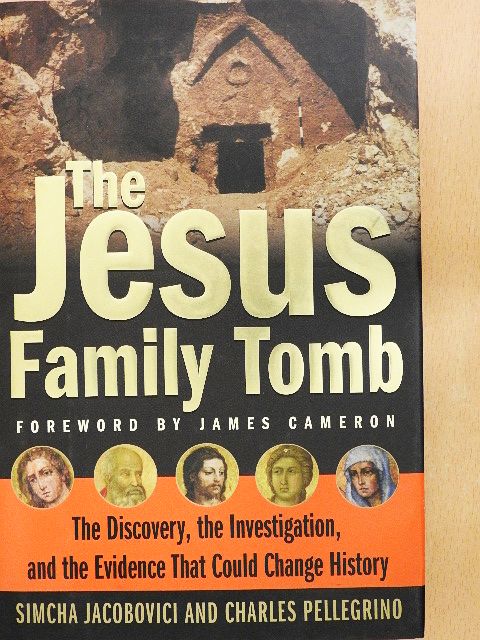
The Jesus Family Tomb [antikvár]
Charles Pellegrino, Simcha Jacobovici
HarperSanFrancisco
,
Megjelenés: 2007. január 01.

FOREWORDWhat if Jesus didn't exist at all? Today many experts are saying exactly that. The theory is that he was a conflation of pagan god-man and death/Resurrection myths with iirst-century Jewish mes-siah traditions and that he had no more historical substance than Zeus.In various pagan mystery religions predating the first century c.E. (a.d.), Osiris, Attis, and Dionysus were aU god-men who died around the time of Easter (the spring equinox) and were resurrected after three days. And all three of these deities predated Jesus by centuries....
online ár:
Webáruházunkban a termékek mellett feltüntetett fekete színű online ár csak internetes megrendelés esetén érvényes.
3980 Ft

Részletesen erről a termékről
Bővebb ismertető
FOREWORDWhat if Jesus didn't exist at all? Today many experts are saying exactly that. The theory is that he was a conflation of pagan god-man and death/Resurrection myths with iirst-century Jewish mes-siah traditions and that he had no more historical substance than Zeus.In various pagan mystery religions predating the first century c.E. (a.d.), Osiris, Attis, and Dionysus were aU god-men who died around the time of Easter (the spring equinox) and were resurrected after three days. And all three of these deities predated Jesus by centuries. Christmas itself is thought by most scholars to be an adoption of the pagan tradition of celebrating the winter solstice. With many of the basic narrative points of the Jesus story, such as the virgin birth and the Resurrection, predating his supposed existence by hundreds of years, a compelling case has been made that he never existed at all but was a myth created to fulfill a specific need. In the absence of a single particle of physical evidence that Jesus Christ actually lived, this recent movement among historical scholars could not be factually refuted.But now, with this stunning book, Simcha Jacobovici and Charles Pellegrino have delivered not just a particle of evidence but a veritable avalanche of it. Their investigation proves, I believe, beyond any reasonable doubt that a first-century Jewish tomb found in Talpiot, Jerusalem, in 1980 is the tomb of Jesus and his family. What's even more electrifying is what the physical evidence from within the tomb says about Jesus, his death, and his relationships with the other family members found in the same burial site.
Termékadatok
Cím: The Jesus Family Tomb [antikvár]
Kiadó: HarperSanFrancisco
Megjelenés: 2007. január 01.
Kötés: Fűzött keménykötés
ISBN: 9780061192029
Méret: 160 mm x 240 mm
Új vásárló vagyok!
új vásárlóval indíthatsz rendelést............