


kategória
szerző
cím
sorozat
betöltés...
kiadó
betöltés...
ISBN
évszám
ár
-
leírás
Előrendelhető
A mezők bármelyike illeszkedjen
A mezők mind illeszkedjen


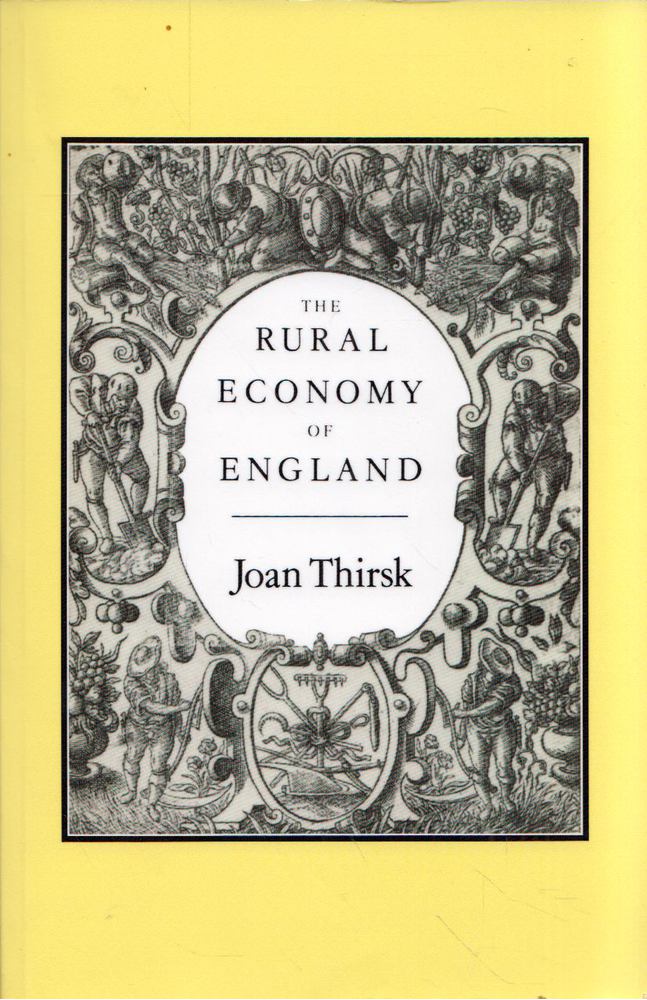

The agrarian economy was the foundation of the kingdom in the early modern period, and its importance can hardly be over-estimated. It was the source of food and work for the majority of the population, the immediate supplier of materials for most industries and the main index of wealth and power. Every town, including London, was closely linked to its countryside. No one has done more to emphasize the significance of land than Joan Thirsk, whose writings are both an important contribution to its history and point the way for future research....
online ár:
Webáruházunkban a termékek mellett feltüntetett fekete színű online ár csak internetes megrendelés esetén érvényes.
1750 Ft

Részletesen erről a termékről
Bővebb ismertető
The agrarian economy was the foundation of the kingdom in the early modern period, and its importance can hardly be over-estimated. It was the source of food and work for the majority of the population, the immediate supplier of materials for most industries and the main index of wealth and power. Every town, including London, was closely linked to its countryside. No one has done more to emphasize the significance of land than Joan Thirsk, whose writings are both an important contribution to its history and point the way for future research. The Rural Economy of England begins with a survey of the sources of agrarian history. The subjects of the following pieces in this collection include the origin and nature of the common fields, Tudor enclosure, the Commonwealth confiscation of Royalist land and its subsequent return after the Restoration, inheritance customs, and the role of industries in the rural economy, among them, stocking knitting. The author shows the capacity of local communities to adapt themselves to change, as in the cases of Stamford and the Vale of Tewkesbury. She also shows how the pastoral economies of Lincolnshire and Staffordshire were different from, but by no means inferior to, arable ones; change imposed from outside, as was Vermuyden's drainage of the Isle of Axholme, might yield more arable crops, but only at the cost of pastoral decline and social disruption. Pasture farming was not only a working system, but had particular importance, thanks to its ability to nurture industries, and so create the seedbed for the industrial revolution.
Termékadatok
Cím: The Rural Economy of England: Collectec Essays [antikvár]
Szerző:
Joan Thirsk
Kiadó: The Hambledon Press
Oldalak száma: 420
Kötés: ragasztott papír
ISBN: 9780907628293
Méret: 140 mm x 220 mm
Új vásárló vagyok!
új vásárlóval indíthatsz rendelést............