


kategória
szerző
cím
sorozat
betöltés...
kiadó
betöltés...
ISBN
évszám
ár
-
leírás
Előrendelhető
A mezők bármelyike illeszkedjen
A mezők mind illeszkedjen


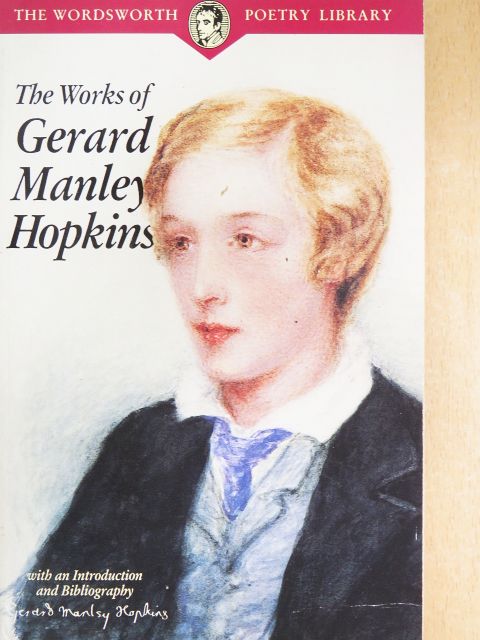
The Works of Gerard Manley Hopkins [antikvár]
Gerard Manley Hopkins

INTRODUCTION
Paradoxically, Gerard Manley Hopkins, whose poetry was regarded as inaccessible and 'modern' long after his death, was in many ways a characteristic Victorian. Born in 1844, to prosperous and cultivated middle-class parents, he was to be much influenced by Ruskin, whose minuteness of observation Hopkins emulated, both in his drawings and in much of his later verse. His education at Highgate School had the traditional grounding in the classics. While he demonstrated his singularity by successfully wagering that he could go...
online ár:
Webáruházunkban a termékek mellett feltüntetett fekete színű online ár csak internetes megrendelés esetén érvényes.
2840 Ft

Részletesen erről a termékről
Bővebb ismertető
INTRODUCTION
Paradoxically, Gerard Manley Hopkins, whose poetry was regarded as inaccessible and 'modern' long after his death, was in many ways a characteristic Victorian. Born in 1844, to prosperous and cultivated middle-class parents, he was to be much influenced by Ruskin, whose minuteness of observation Hopkins emulated, both in his drawings and in much of his later verse. His education at Highgate School had the traditional grounding in the classics. While he demonstrated his singularity by successfully wagering that he could go without drinking anything for three weeks, and in being threatened with expulsion for some trifling obstinacy, he also won a prize for a long and erudite poem. Arrived at Balliol College, Oxford, he continued to write poetry as well as having a busy and companiable social life. Although touchy and sometimes arrogant, he had great sweetness, and was loved by many, among them the future Poet Laureate, Robert Bridges, whose patient advocacy of Hopkins's poetry eventually secured its reputation.
Oxford was seething with theological debate. Many of the devout, fearing rational agnosticism and repelled by the fervid, populist Protestantism which had followed Wesley's religious revival, were attracted by the beauty and mystery of Roman Catholic rituals and traditions; the
Termékadatok
Cím: The Works of Gerard Manley Hopkins [antikvár]
Szerző:
Gerard Manley Hopkins
Kiadó: Wordsworth Editions Ltd
Kötés: Ragasztott papírkötés
ISBN: 185326413X
Méret: 130 mm x 200 mm
Új vásárló vagyok!
új vásárlóval indíthatsz rendelést............